Expand
Spaceward.
The frontier did not close.
It moved up.
Settle the Moon
Not flags and footprints. Towns, power, industry, and people who stay.
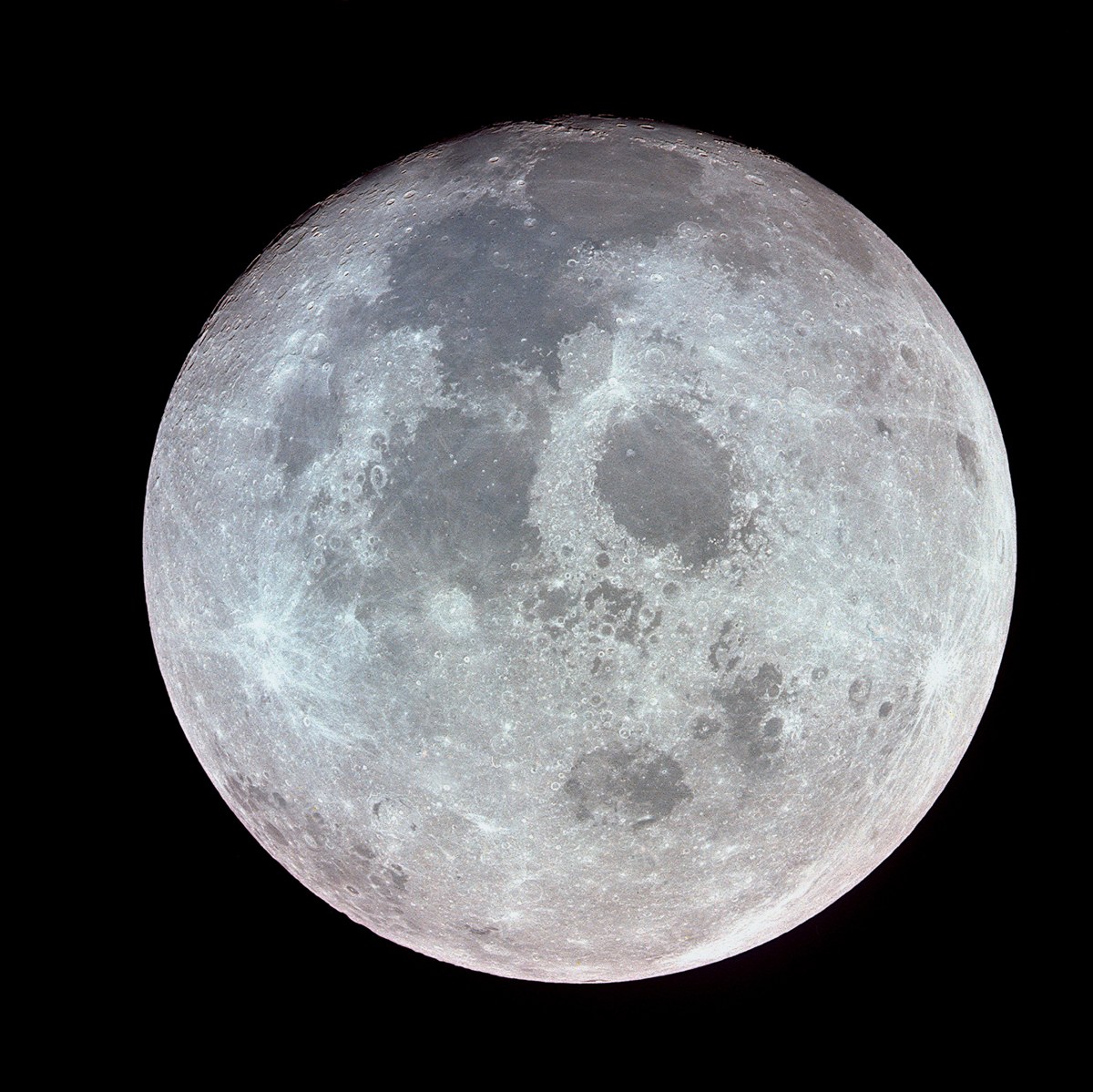
Three days away, with ice at the poles, sunlight on the crater rims, and a gravity well shallow enough to ship from. The first town off Earth goes here.
Coming on Astronomics: “This time, to stay”: what NASA's Moon Base plan commits to / After Ignition: the landers, rovers and contracts behind the base
Build the space between
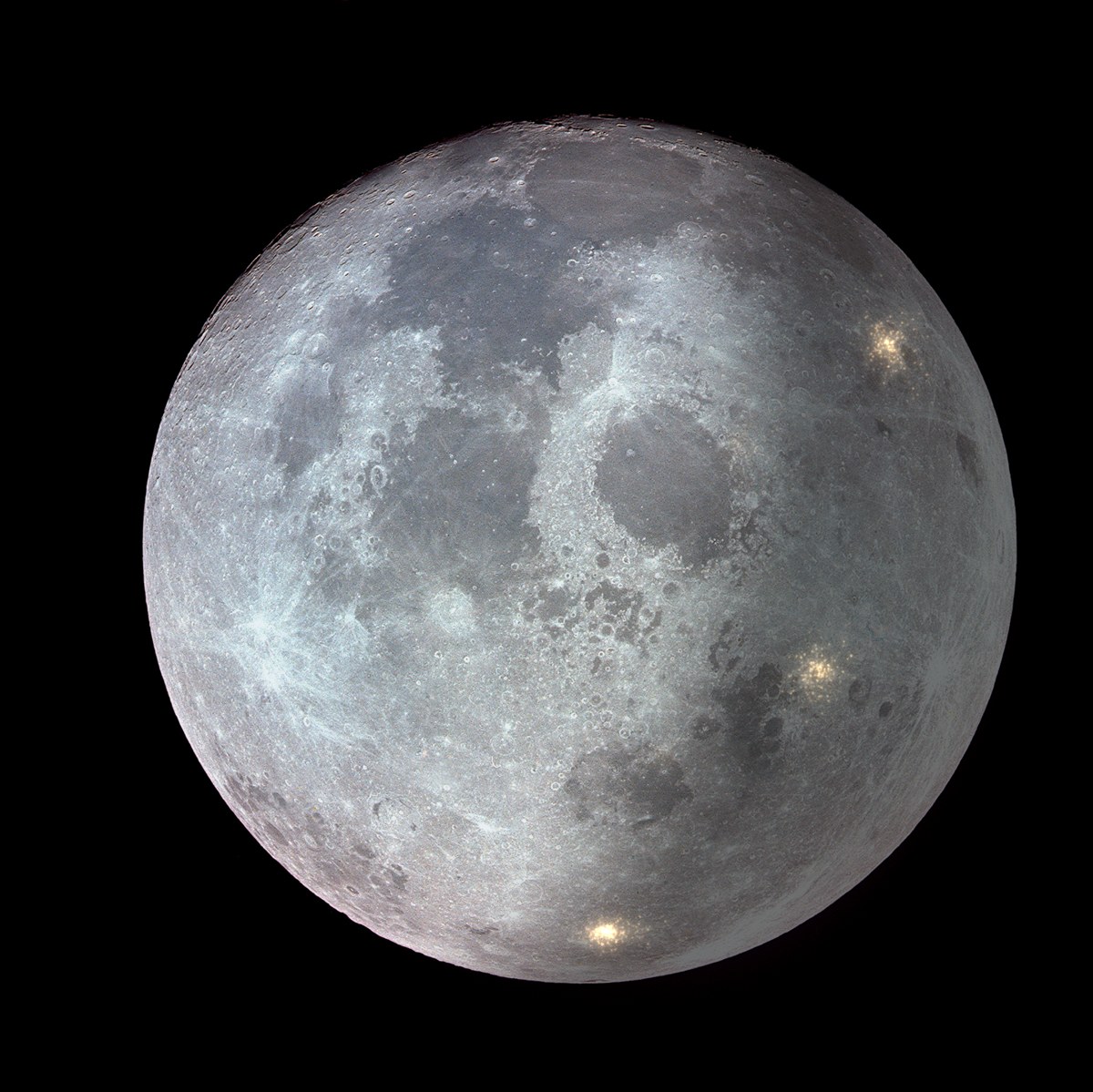
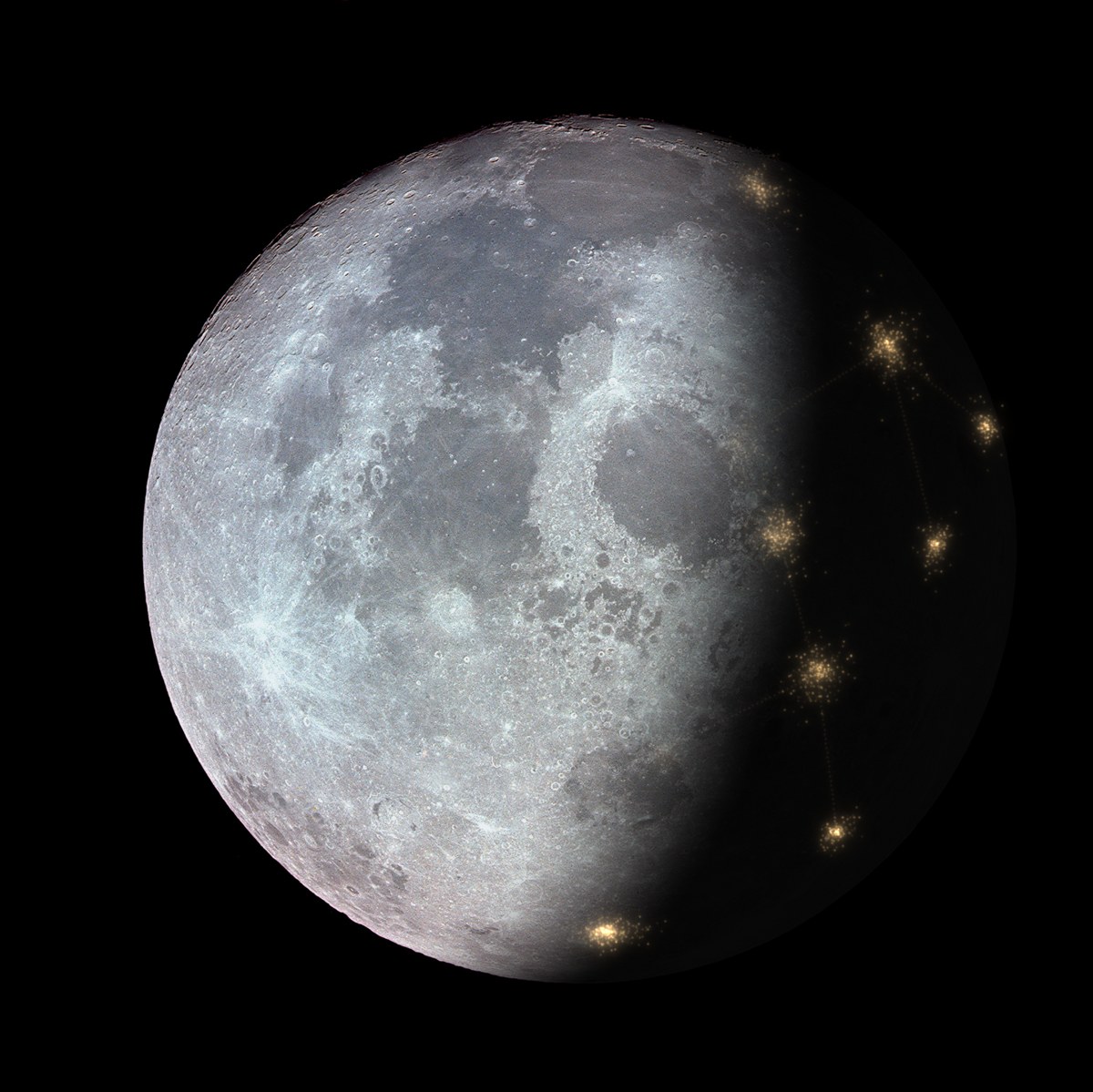
From low orbit to the far side of the Moon is one economy waiting for its infrastructure. Pick a piece below.
Coming on Astronomics: Does it pencil? A propellant depot at L1 / Data centres in the dawn-dusk orbit: the arithmetic
Five Lagrange points mark where Earth's pull and the Moon's balance. L1 and L2 are the gateways. L4 and L5 are stable enough to park a city.
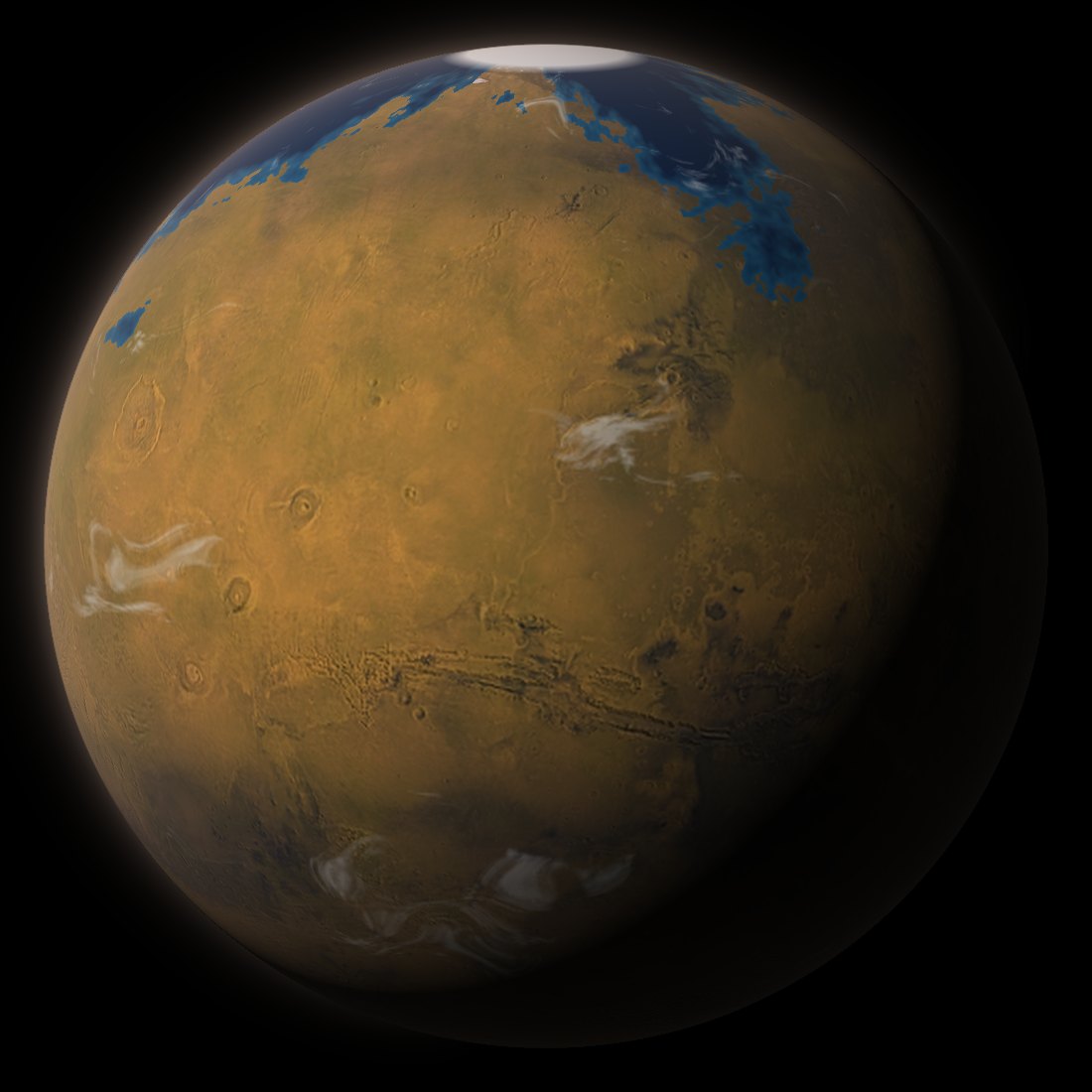
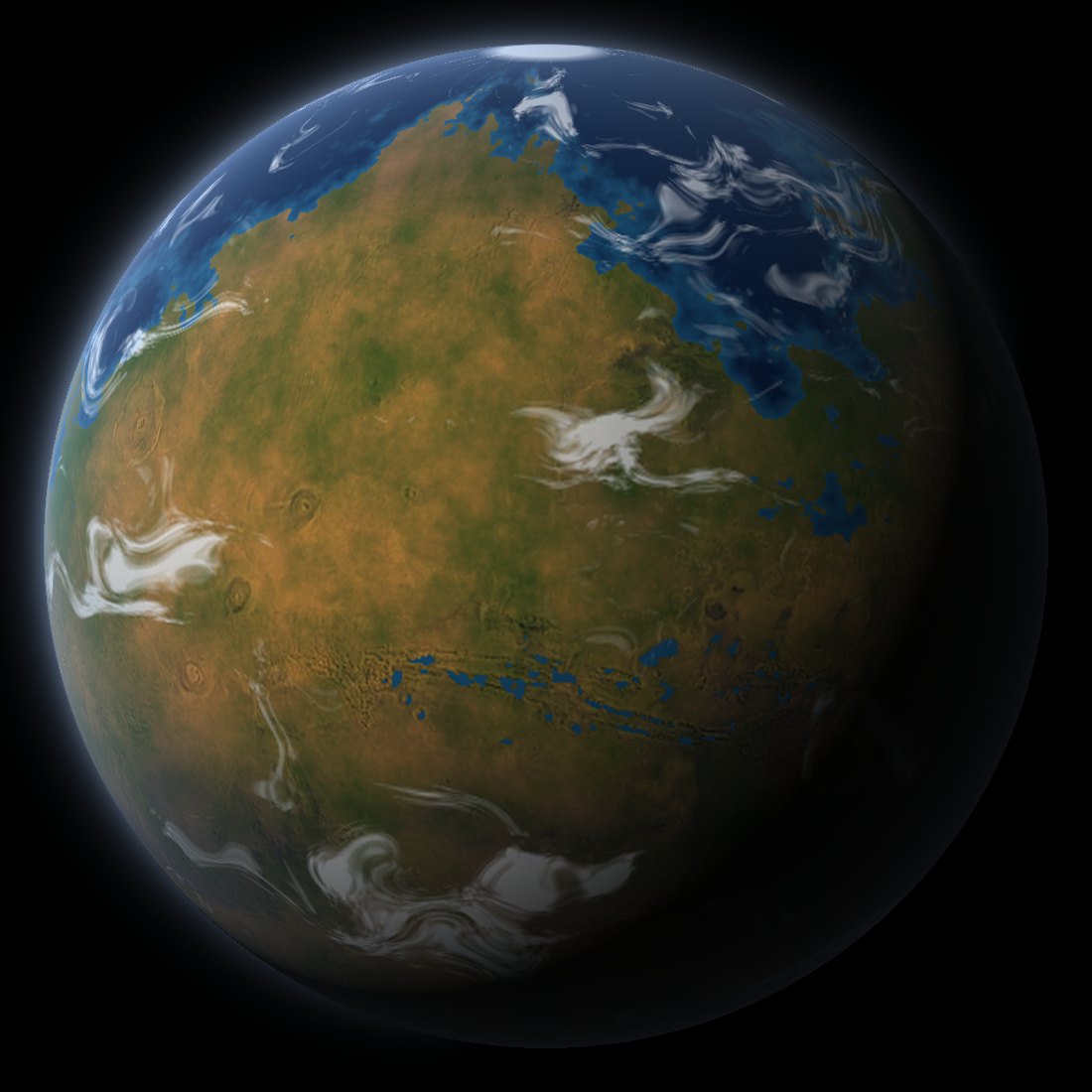
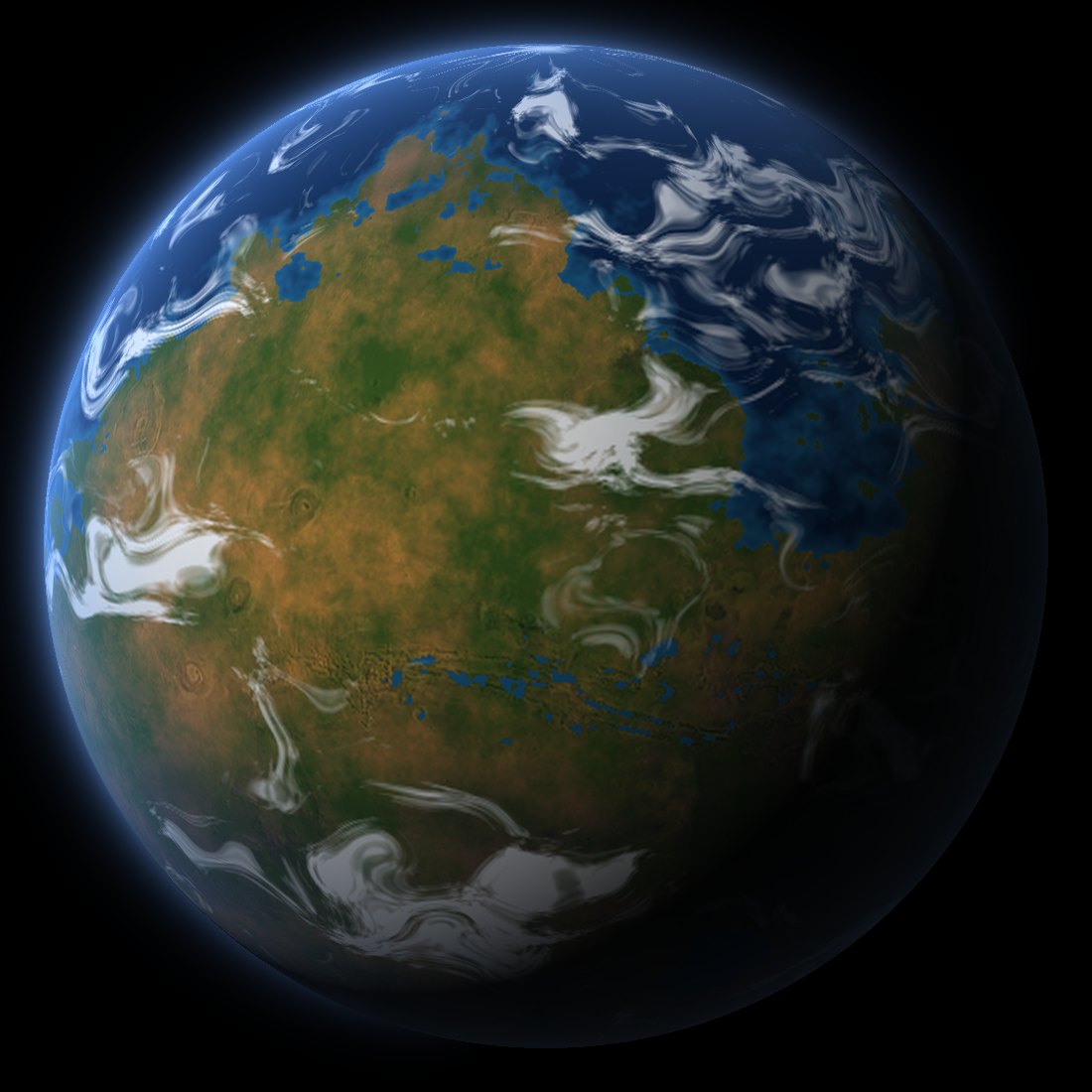
Terraform Mars
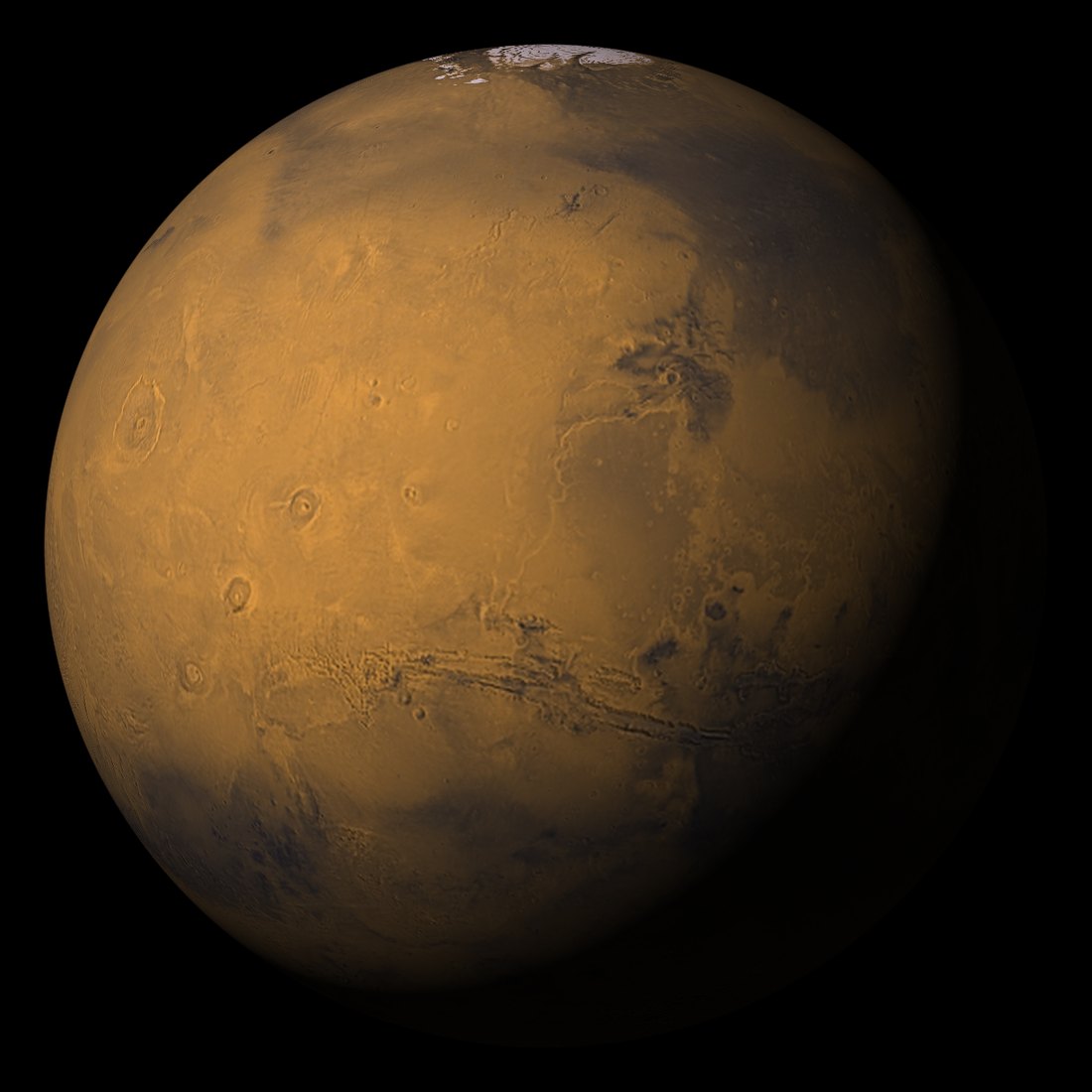
A second living world, built on purpose, over generations.
A day almost the length of ours, water locked in the ground, and room for a whole biosphere. Warm it, thicken the air, and the northern basin fills.
Coming on Astronomics: What terraforming Mars would cost, and who pays
Work the belt
Water for propellant and metal for structure, already in space, with no planet's gravity to haul it out of.
Coming on Astronomics: Does it pencil? Mining 1986 DA
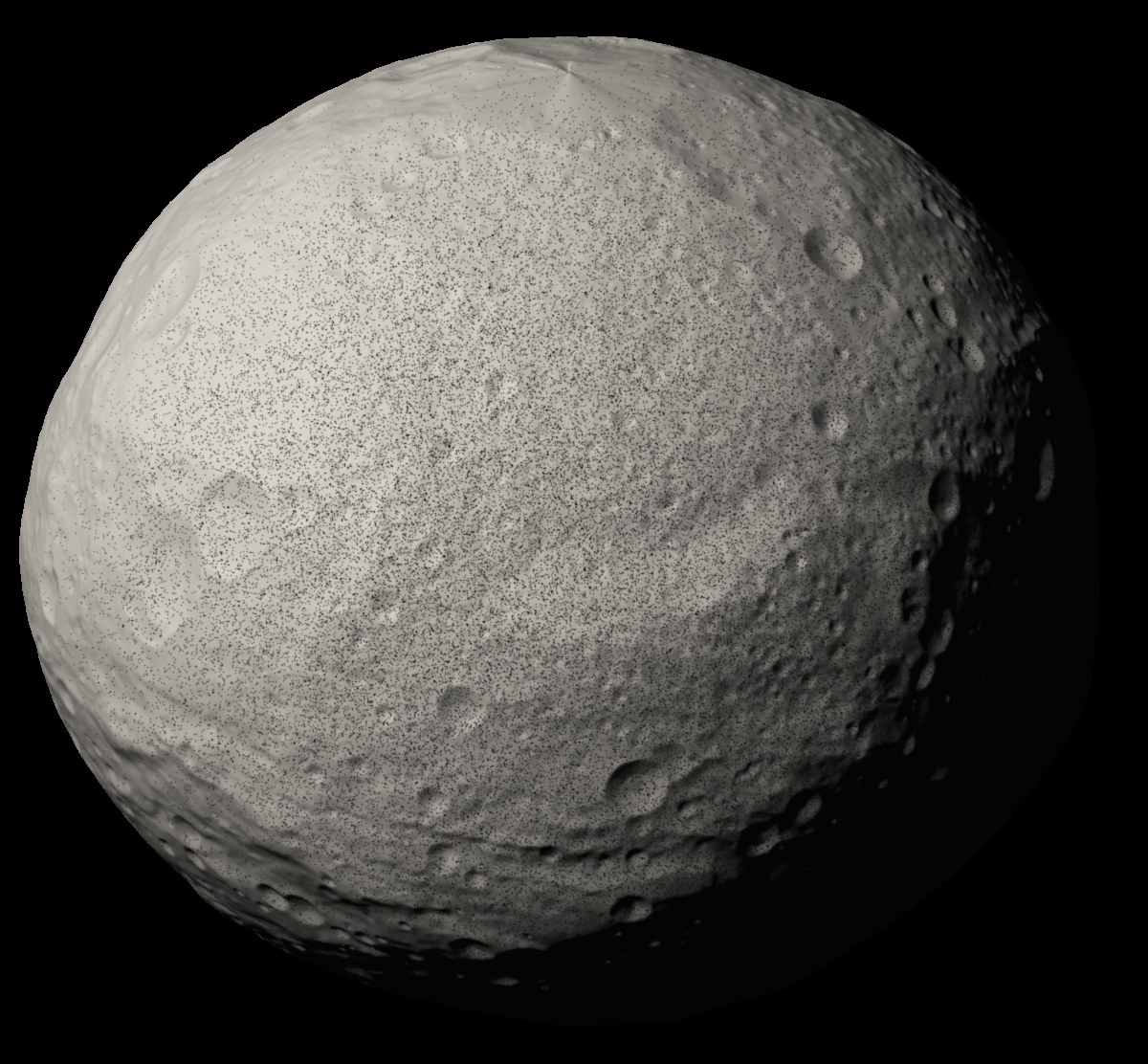
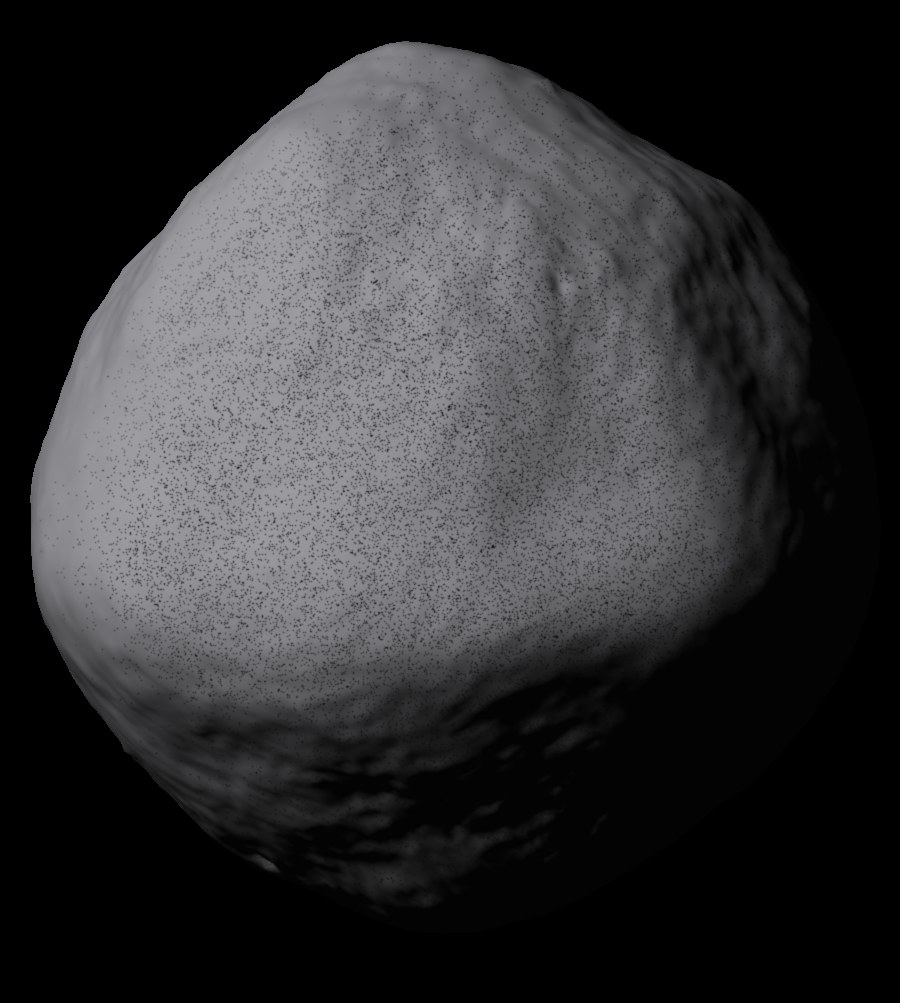
Inhabit the Solar System
Coming on Astronomics: Helium-3 from Uranus: the longest supply chain
Earth is a NASA photograph. The others are built from NASA maps; Mercury and Uranus are stand-ins.Keep going.
Spaceward is the banner. Astronomics is where the numbers get worked: space economics and cislunar strategy, one architecture at a time.